

What Every Adventurer Needs to Know Before Setting Foot in the Wild Heart of Chilean Patagonia
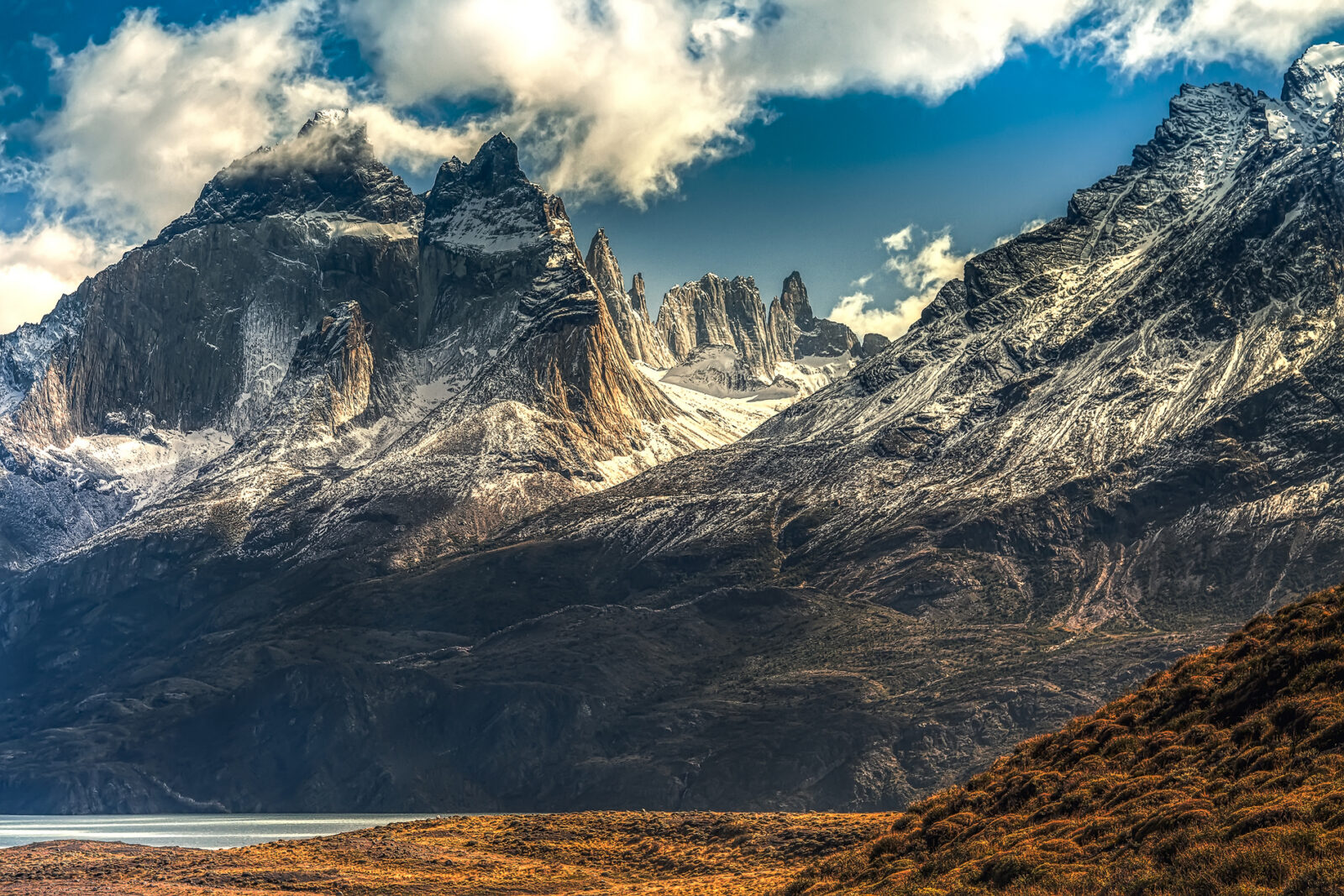
If there’s one place on Earth that makes your jaw drop the second you see a photo of it, it’s Torres del Paine National Park in Chilean Patagonia. Those three towering granite spires rising above a turquoise lake? Yeah, that image alone is enough to send you booking flights to South America. And if you’re planning to trek here, you’re in for one of the most rewarding adventures of your life, though a little preparation goes a long way.
The Park at a Glance
Torres del Paine covers over 2,000 square kilometers of raw, untamed wilderness. It’s home to glaciers, turquoise lakes, roaring winds, dramatic peaks, and wildlife like guanacos, Andean condors, and even pumas if you’re lucky. The nearest town is Puerto Natales, about 1.5 to 3.5 hours away depending on your entry point, and that’s your base for stocking up on supplies and catching a bus into the park.
Choosing Your Trek: W or O?
This is the first big decision every hiker faces. The W Trek is the most popular option, a 74 km, 5-day route that covers all the park’s main highlights including the Torres viewpoint, the stunning Valle del Francés, and Glacier Grey. It’s challenging but very doable for most fit hikers.
If you want to go deeper into the less-crowded, wilder parts of the park, the O Circuit is your answer. This full loop clocks in at around 120 km and takes 8 to 10 days, wrapping around the entire mountain massif. You’ll pass through remote spots like Refugio Dickson and cross the legendary John Gardner Pass, weather permitting.
The Weather Is the Real Boss
Let’s be honest: Patagonia’s weather is unpredictable and unforgiving. You can have blazing sunshine, howling winds, rain, and snow all on the same day. The best time to visit is October through March, with the shoulder months of October, November, and March offering fewer crowds and often wonderful conditions. That said, even in peak season, expect to get wet.
Book Early and We Mean Really Early
This cannot be stressed enough. Campsite spots along both the W and O routes fill up fast, sometimes months in advance. Two operators manage most accommodations inside the park: Las Torres (eastern sector) and Vertice Patagonia (western sector). Budget campers will prefer the Vertice side, where tent spots start at around $11 per person per night, a fraction of what Las Torres charges.
What to Pack
Come prepared for all conditions. Waterproof boots, a reliable rain jacket, trekking poles, and a well-tested tent are non-negotiables. Load up on food in Puerto Natales before entering the park, as prices inside can be three to four times higher than what you’d pay in town.
The Moments That Stay With You
Standing at Mirador Las Torres as the first light hits the granite peaks. Watching mini-tornadoes form on Lago Nordenskjöld from fierce Patagonian winds. The complete silence of Dickson campsite after a fresh snowfall. A catamaran ride across shimmering Lake Pehoé with the whole massif reflected in the water.
Torres del Paine isn’t just a hike. It’s a full emotional and physical experience. Go prepared, stay flexible, and let Patagonia do the rest.