


The room is dim, lit only by the soft blue glow of a biometric screen tracking your breath in real time. Outside, the retreat grounds are still—pine trees standing like sentinels, a lake reflecting the early‑morning sky. You lie inside a full‑body red‑light chamber, warmth settling into your muscles as the device hums quietly. A practitioner adjusts the settings, then steps back, letting the light do its work. Your heartbeat slows. Your mind steadies. For a moment, you feel suspended between two worlds: the ancient instinct to rest, and the futuristic promise of optimization.
Biohacking retreats don’t feel like laboratories. They feel like sanctuaries built for the modern nervous system—places where technology softens rather than overwhelms. The atmosphere is calm, almost meditative. You hear the low murmur of water features, the soft click of a cryotherapy chamber sealing shut, the quiet rustle of someone settling into a meditation pod. The design language leans toward natural textures: stone, wood, linen. The tech is present, but it doesn’t dominate. It integrates.
There’s a sense of stepping into a future where wellness isn’t a performance but a partnership between body and machine.
Where Innovation Meets Intuition
A biohacking retreat begins with data, but it doesn’t end there. You start with a full assessment—heart‑rate variability, sleep patterns, metabolic markers, stress load. The numbers paint a picture, but the practitioners read between the lines. They ask about your habits, your energy, your emotional landscape. Then the rituals unfold.
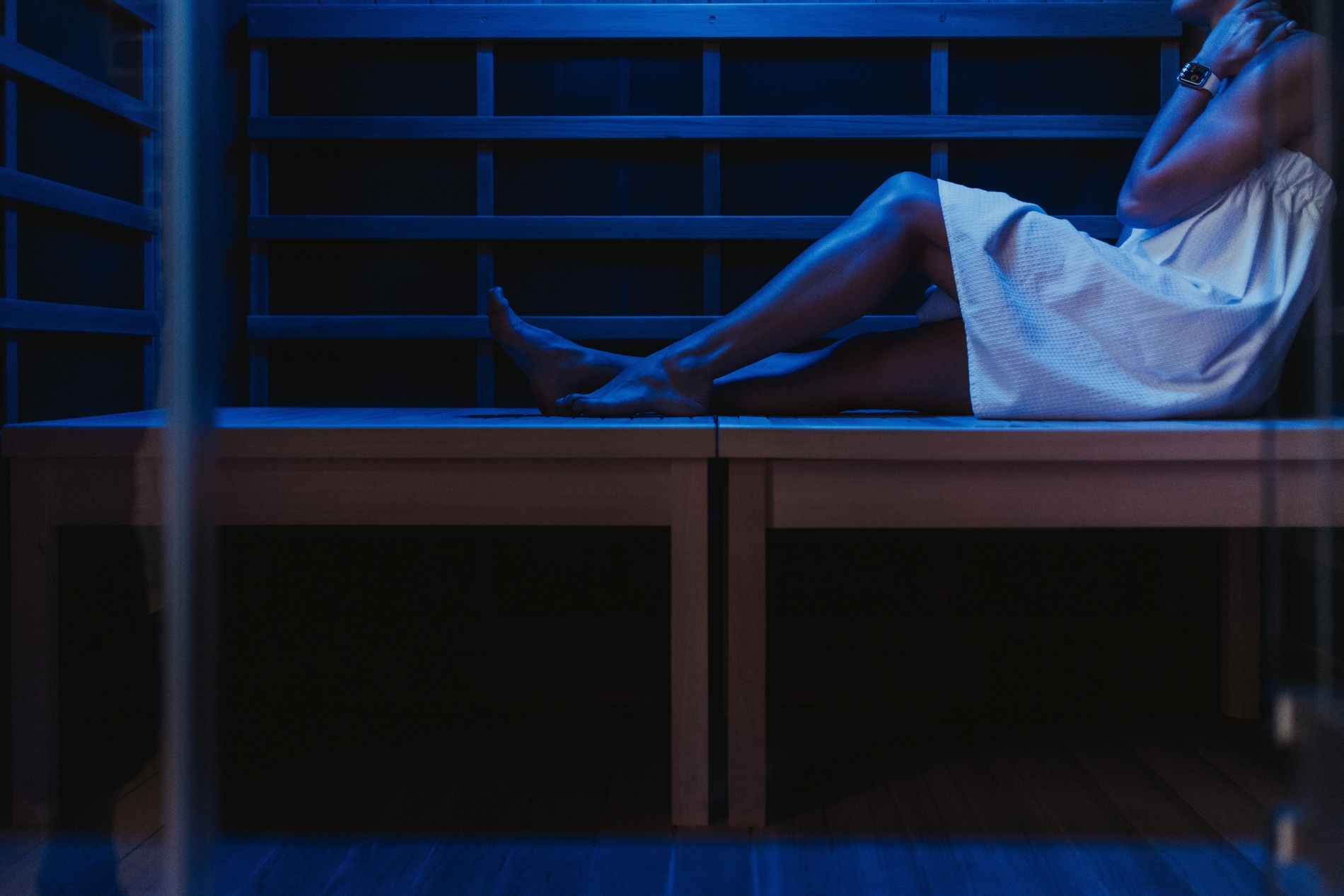
Cold‑plunge pools sharpen your senses, the shock giving way to a deep, steady calm. Infrared saunas draw tension from your muscles in slow waves. Breathwork sessions recalibrate your nervous system, each inhale syncing with soft ambient sound. Neurofeedback pods guide your brain into states of focus or rest, depending on what you need. And between sessions, you sit outside with a cup of herbal tea, watching the light shift across the landscape. The technology enhances the experience, but the healing comes from the balance—precision paired with presence.
The Deep Dive
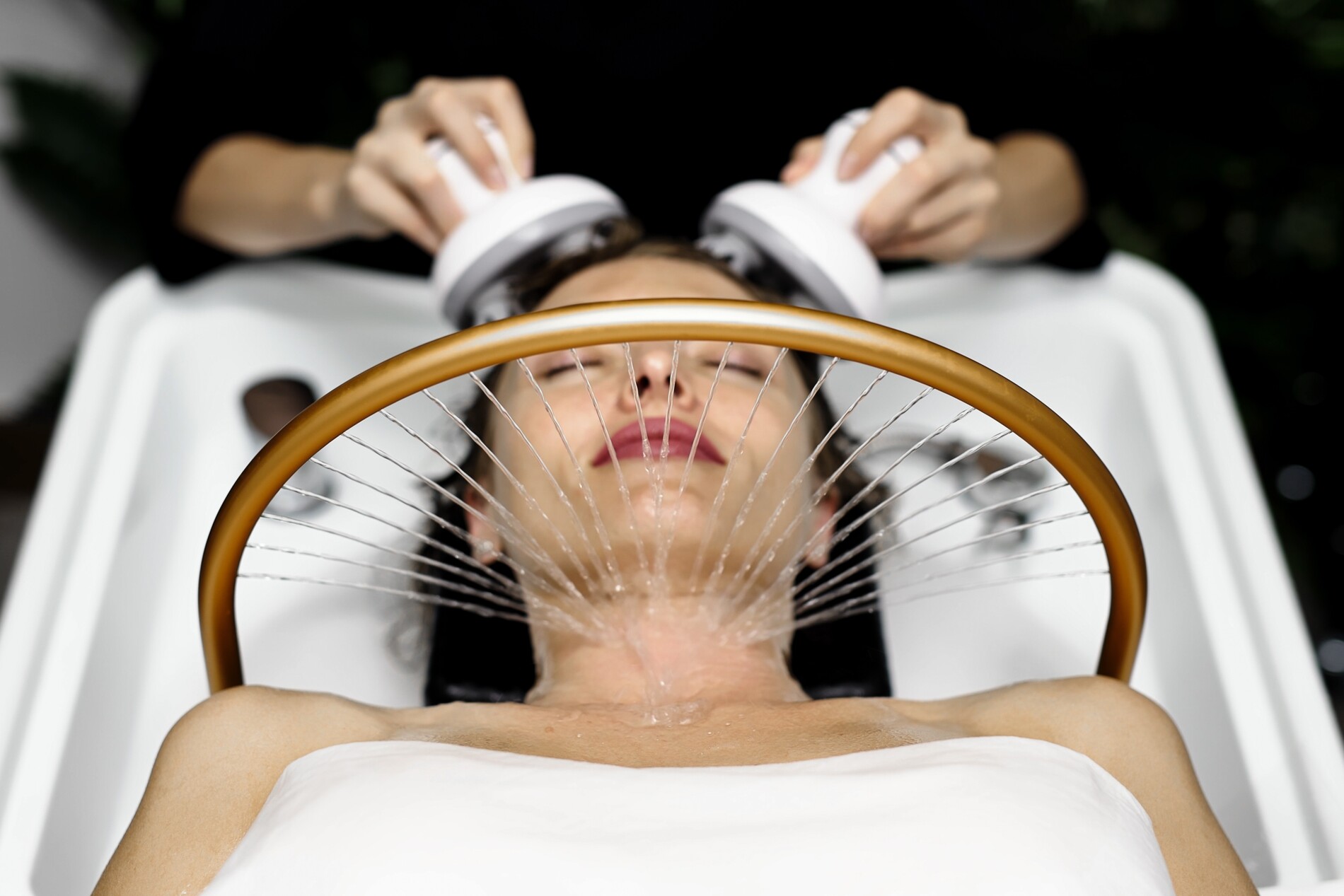
What sets these retreats apart is the way they weave science into something deeply human. A nutritionist might hand you a personalized meal plan based on your biomarkers, but the food itself is warm, grounding, and seasonal—broths infused with turmeric, bowls of roasted vegetables, herbal tonics that taste like the forest after rain. Movement sessions blend functional training with somatic practices. Meditation rooms use sound frequencies to deepen stillness. Even sleep becomes a ritual, supported by temperature‑controlled mattresses and circadian‑friendly lighting.
The days unfold with a rhythm that feels both structured and spacious. You move from one experience to the next without rush, guided by curiosity rather than obligation. And somewhere between the cryotherapy chamber and the meditation dome, you realize you’re not here to “optimize.” You’re here to reconnect—with your body, with your breath, with the parts of yourself that modern life tends to drown out.
When the Retreat Feels Most Transformative
Biohacking retreats shine in the shoulder seasons—spring and autumn—when the air feels crisp and the body naturally leans toward recalibration. Mornings are cool enough for outdoor breathwork; afternoons warm enough for grounding walks through the surrounding landscape. These are the months when the contrast between technology and nature feels most harmonious, when the body is primed to shift, soften, and reset.
What You Carry Home
The retreat stays with you in subtle ways. You notice your breath more. You sleep deeper. You move with a little more intention. The data you leave with is useful, but the real transformation is experiential—the memory of cold water against your skin, the hum of red‑light therapy, the quiet clarity that settled in your mind after a neurofeedback session.
Biohacking teaches that wellness isn’t a binary between ancient and modern. It’s a dialogue. A way of listening to the body with both intuition and insight.