


The sound of a single oar dipping into dark water is surprisingly loud when the day’s frantic energy has finally dissolved. It isn’t a splash; it’s a rhythmic, hollow thrum that echoes off the salt-stained Istrian stone of the canal walls. In the daytime, Venice is a theater of the absurd—a crowded, beautiful, exhausting stage where tourists jostle for the perfect selfie and the air is thick with the scent of overpriced espresso and frantic schedules. But after midnight, the theater closes its doors, the actors leave, and the city finally begins to breathe for itself.
A City Unmasked by Moonlight
To walk through Venice at 1:00 AM is to experience a profound, almost jarring intimacy. The grandiosity of the Piazza San Marco, usually a sea of pigeons and pedestrians, becomes a vast, moonlit desert. The shadows of the Procuratie Vecchie stretch long and thin across the pavement, and the only music is the faint, distant clicking of your own heels against the trachyte.
This is the “blue hour” of the soul. Without the visual noise of tour groups and souvenir stalls, the city’s architecture stops being a backdrop and starts being a companion. You notice the way the light from a single, wrought-iron street lamp hits a crumbling Gothic arch, turning the damp brickwork into something that looks like velvet. There is no one to perform for. The city is no longer a museum; it is a labyrinth of quiet stone and moving water, inviting you to lose yourself in its silence.
The Geography of Intimacy
Romance in Venice isn’t found in a heart-shaped box or a scripted gondola serenade under the midday sun. It is found in the stillness of the Cannaregio district or the narrow, twisting calli of San Polo after the last vaporetto has made its run. When you stand on a small stone bridge in the dead of night, the silence is so heavy you can almost feel it.
The water changes character entirely. By day, the canals are green and turbulent, churned up by motorboats and transport barges. By night, they turn into polished obsidian. The reflection of a single balcony light doesn’t just shimmer; it bleeds into the ripples, creating a liquid gold trail that looks like a path into another century. This is where the emotional resonance of Venice lies—in the realization that you are standing in a place that has looked exactly like this for five hundred years. The weight of that history is best felt when you are alone, or with someone whose silence matches your own.
In these moments, the city feels fragile and indestructible all at once. You might catch the scent of damp wood and salt air, a reminder that the sea is always trying to reclaim these stones. It creates a sense of “now or never” that defines true romanticism.
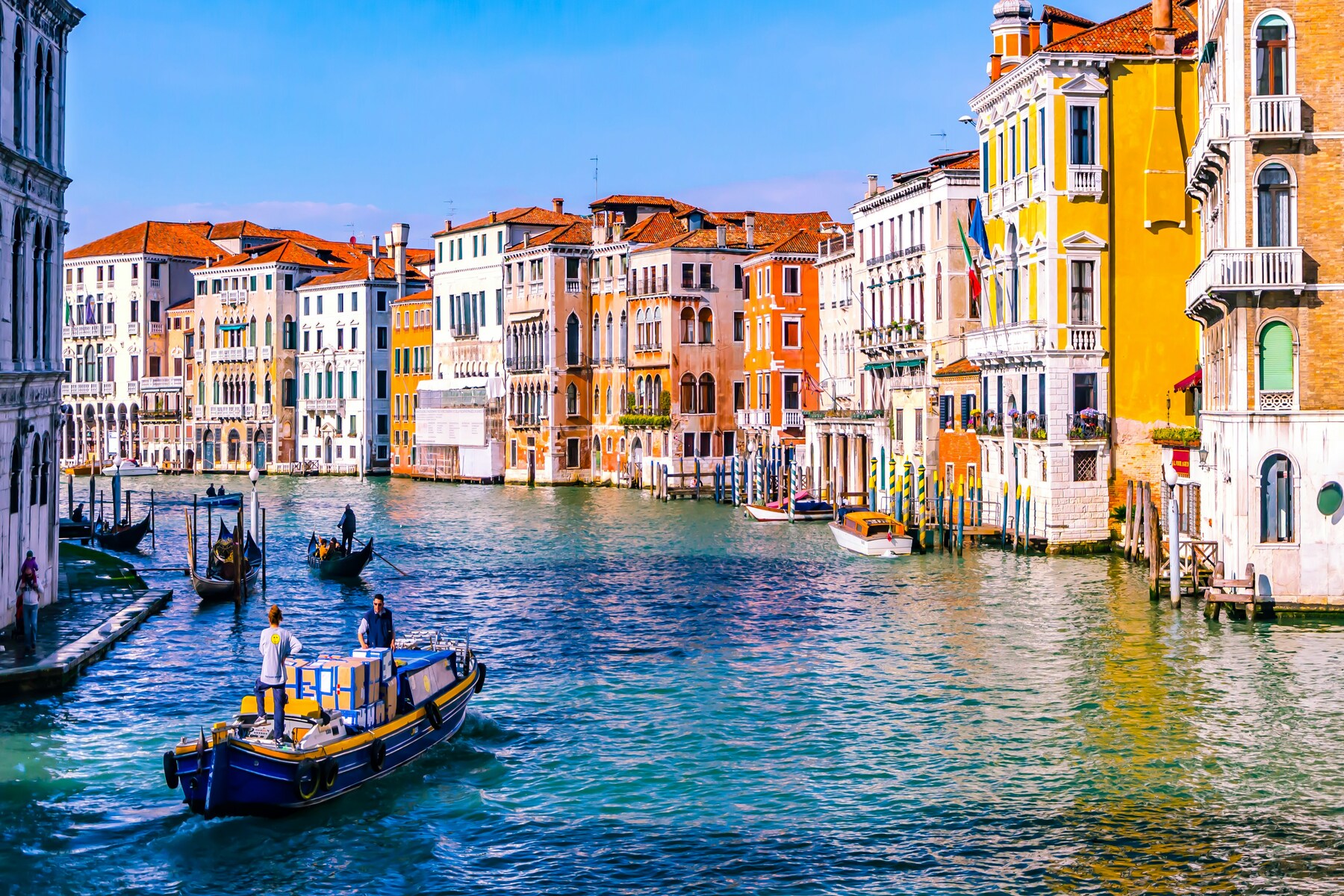
The Art of the Midnight Wander
Experiencing this version of Venice requires a deliberate departure from the traditional traveler’s mindset. There is no “destination” to reach at two in the morning. The goal is the wandering itself.
To truly see the silent canals, wait until the last dinner crowds have filtered out of the bacari. While most visitors retreat to their hotels by 11:00 PM, the city’s true character is best accessed between midnight and 4:00 AM. Wear comfortable shoes—the stones are often slick with the lagoon’s mist—and leave the map in your pocket. Allow the curve of a wall or the glow of a distant lamp to pull you forward.
The most evocative moments often happen in the smallest squares, the campielli, where a single well-head sits in the center of a silent courtyard. Here, the privacy is absolute. You are a ghost in a ghost city, witnessing a beauty that feels like it belongs only to you. This is the Venice that stays with you long after you’ve left—not the one you saw, but the one you felt when the world went quiet.