

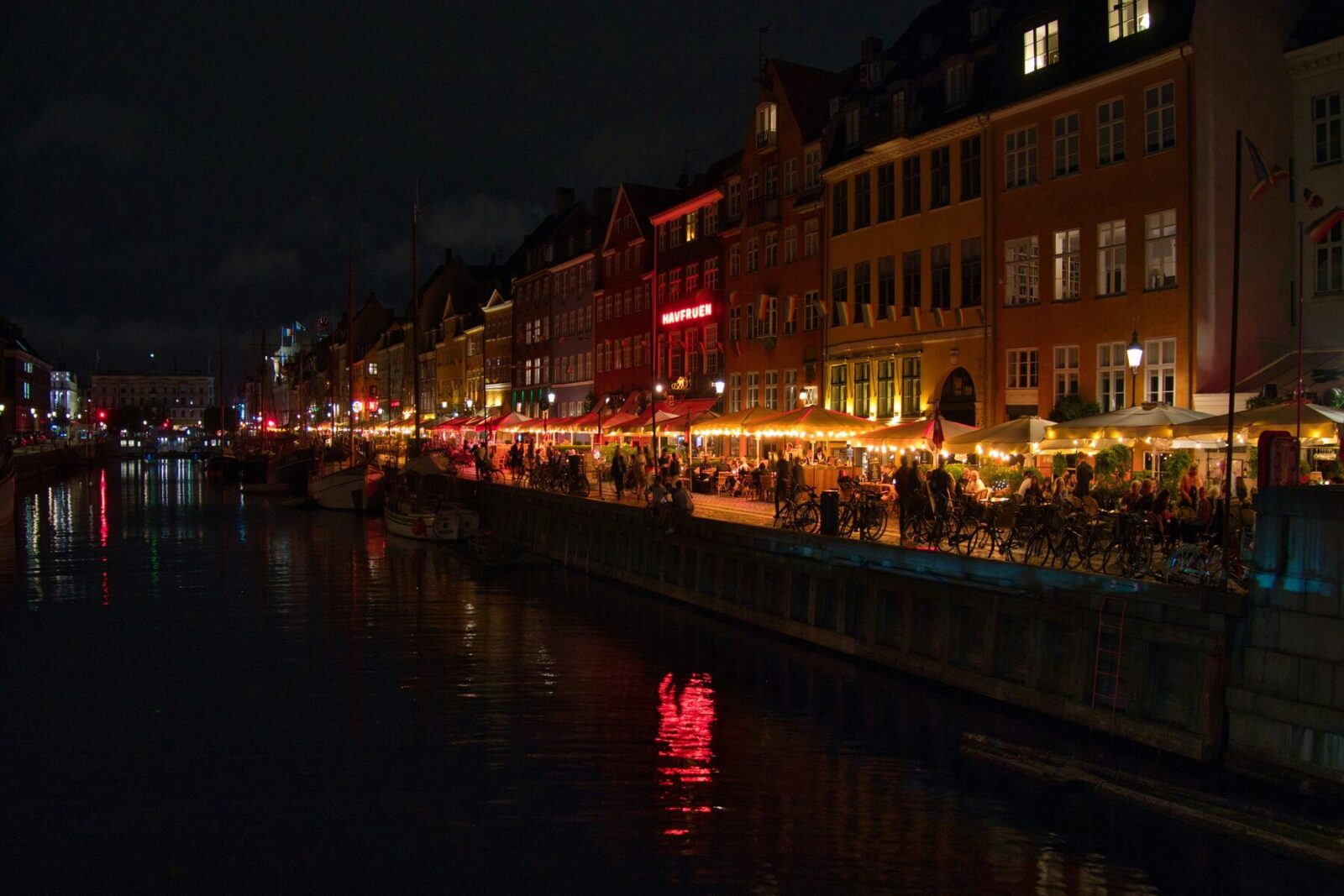
Copenhagen is the city that redefined modern dining. It is the birthplace of the “New Nordic” movement, a culinary philosophy rooted in the “ancestral alchemy” of the landscape. In this city, chefs are not just cooks; they are explorers who scour the Danish coastlines and forests for sea buckthorn, wood sorrel, and wild garlic.
Nowadays, Copenhagen remains a “sensory sanctuary” for food lovers. To eat here is to taste the season in its most raw, honest, and innovative form.
-
The Culinary Cathedral: Alchemist
If you are looking for the absolute pinnacle of the foraged experience, Alchemist offers a “Holistic Dining” journey that transcends a typical meal. Located in a massive, converted shipyard in Refshaleøen, the experience takes you through different “acts” in a planetarium-like dome.
What to order: You don’t choose from a menu here; you embark on a 50-course odyssey. Look for dishes that highlight Danish “snow” (frozen horseradish) or wild-caught seafood paired with ants or forest lichen. It is a masterclass in how foraging can be transformed into high-concept art.
-
The New Nordic Icon: Noma (The Next Chapter)
While the original Noma iteration famously transformed the world’s palate, its 2026 presence continues to influence the city through its seasonal “Pop-Ups” and its permanent research lab. Noma taught the world that a fermented plum or a piece of grilled reindeer lichen could be as luxurious as caviar.
What to order: Keep an eye out for their Ocean Season (winter) or Forest Season (autumn). The Vegetable Season (summer) is particularly legendary for turning local roots and foraged berries into complex, savory masterpieces. Even a simple-looking dish of “grilled asparagus” at Noma is usually the result of months of fermentation and foraging expertise.
-
The Foraging Pioneer: Ark
For a contemporary and sustainable take on foraged flavors, Ark has become a 2026 favorite. This restaurant focuses entirely on plant-based cuisine, proving that the “Gospel of Fire” can apply just as effectively to mushrooms and wild greens as it does to meat.
What to order: Their Mushroom-focused tasting menu is essential. They work closely with local foragers to source rare fungi that are then prepared with the same reverence usually reserved for fine steaks. The blue oyster mushroom steak, glazed with a reduction of wild forest berries, is a revelation of texture and umami.
-
The Neighborhood Master: Restaurant Barr
Located in the historic North Atlantic House (the former home of Noma), Barr is more approachable but no less obsessed with the “foraged frontier.” It celebrates the traditional flavors of the North Sea—Denmark, Norway, and Germany.
What to order: You must try the Salted Waffles with Bleak Roe or their signature Schnitzel. However, the real magic is in the side dishes and garnishes, which feature pickled pine needles, wild ramsons, and fermented cabbage. It is the “comfort food” version of the New Nordic movement, served in a warm, wood-clad environment.
The Laws of the Nordic Table
- The “Shun” of the North: Like Kyoto’s kaiseki, Danish dining is obsessed with the micro-season. If a berry is only in season for two weeks, you will see it on every top menu in the city for exactly that window, then never again until next year.
- Fermentation is Key: Foraging is only half the battle. Because the Danish winter is long, chefs use ancient fermentation techniques to “save” the flavors of summer. That “fresh” tasting sauce in December is likely the result of a six-month-old ferment.
- The “Hygge” Factor: Despite the technical complexity of the food, the atmosphere is almost always casual and “hygge” (cozy). Expect candlelight, natural materials, and warm, unpretentious service.