

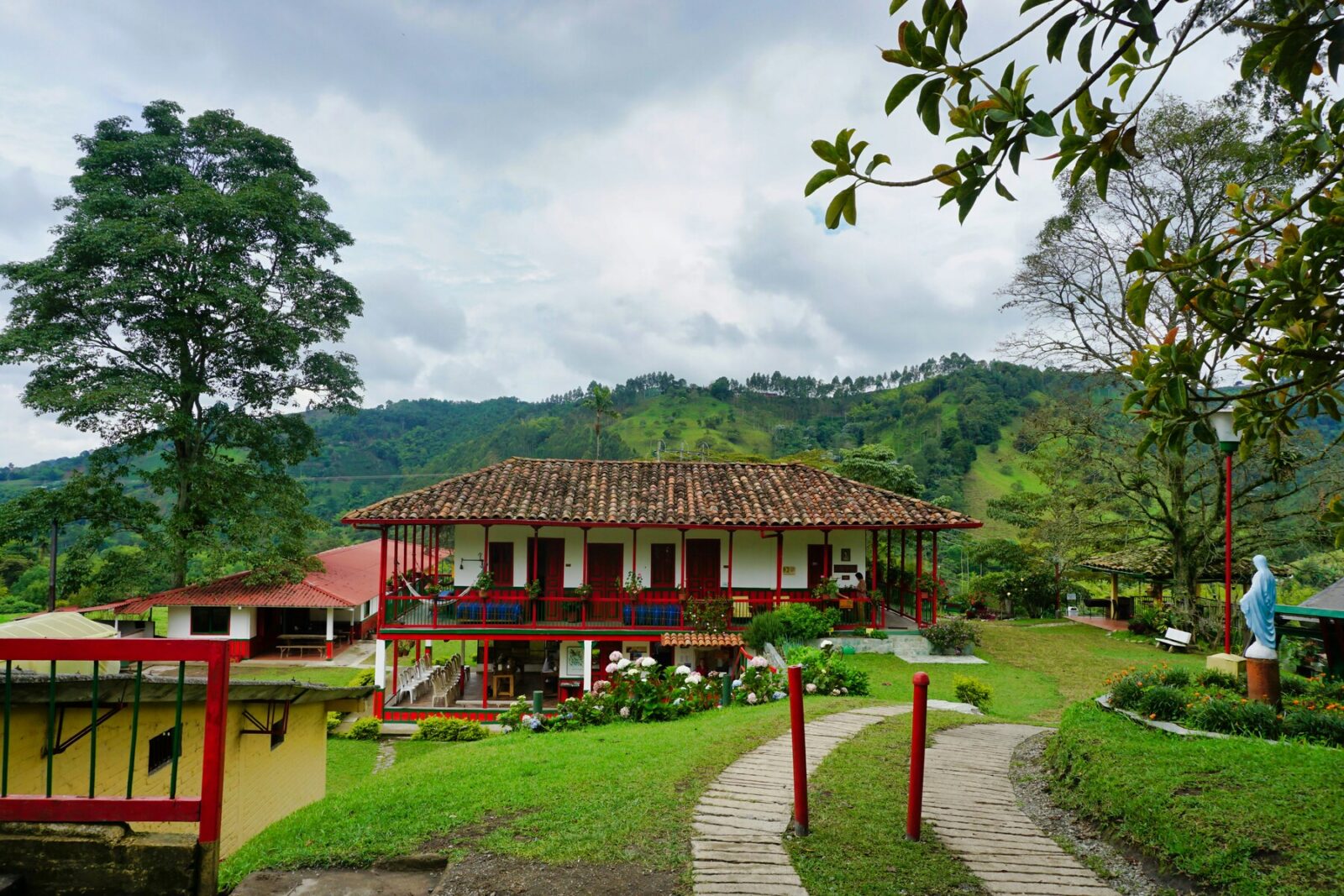
Colombia’s Eje Cafetero (Coffee Axis) is more than a geographic region; it is a sensory sanctuary of rolling emerald hills, misty wax palms, and the “ancestral alchemy” of the world’s finest Arabica beans. Spanning the departments of Quindío, Risaralda, and Caldas, this UNESCO World Heritage site is the heart of Colombia’s coffee identity.
In 2026, the region has evolved into a “tactile frenzy” for coffee purists, moving beyond the simple tinto to embrace high-altitude specialty beans and experimental fermentation. If you are chasing the perfect cup, here is how to navigate the ritual of the Coffee Triangle.
-
The Traditional Soul: Salento and Finca El Ocaso
Salento is the quintessential coffee town, a vibrant mosaic of colonial architecture and “Willys” jeeps. Just outside the village, Finca El Ocaso offers a masterclass in the traditional process. Here, the “Gospel of Fire” begins with the sun-drying of beans on sliding roofs.
What to try: Participate in a “Seed to Cup” tour where you pick your own cherries. Their Traditional Washed Caturra is the ultimate expression of the region—bright, balanced, and remarkably clean. For a 2026 twist, visit their on-site coffee house for a pour-over while overlooking the Cocora Valley’s foothills.
-
The Innovation Hub: San Alberto in Buenavista
For those who view coffee through the lens of fine wine, San Alberto is a mandatory pilgrimage. Located in the quiet, scenic town of Buenavista (Quindío), this farm is famous for its “Super Premium” label and has won more international awards than almost any other Colombian producer.
What to order: Book the Coffee Baptism, a sensory tasting session that teaches you to identify the “alchemy” of sweet, fruity, and chocolate notes. Their signature Estate Blend is a labor-intensive selection of the top 1% of their harvest, delivering a velvety body and a caramel finish that defines luxury.
-
The Cult Classic: Helena Adentro and Filandia
While Salento gets the crowds, Filandia retains a more local, bohemian energy. The centerpiece of its culinary scene is Helena Adentro, a restaurant that treats local ingredients with the reverence of a high-end lab.
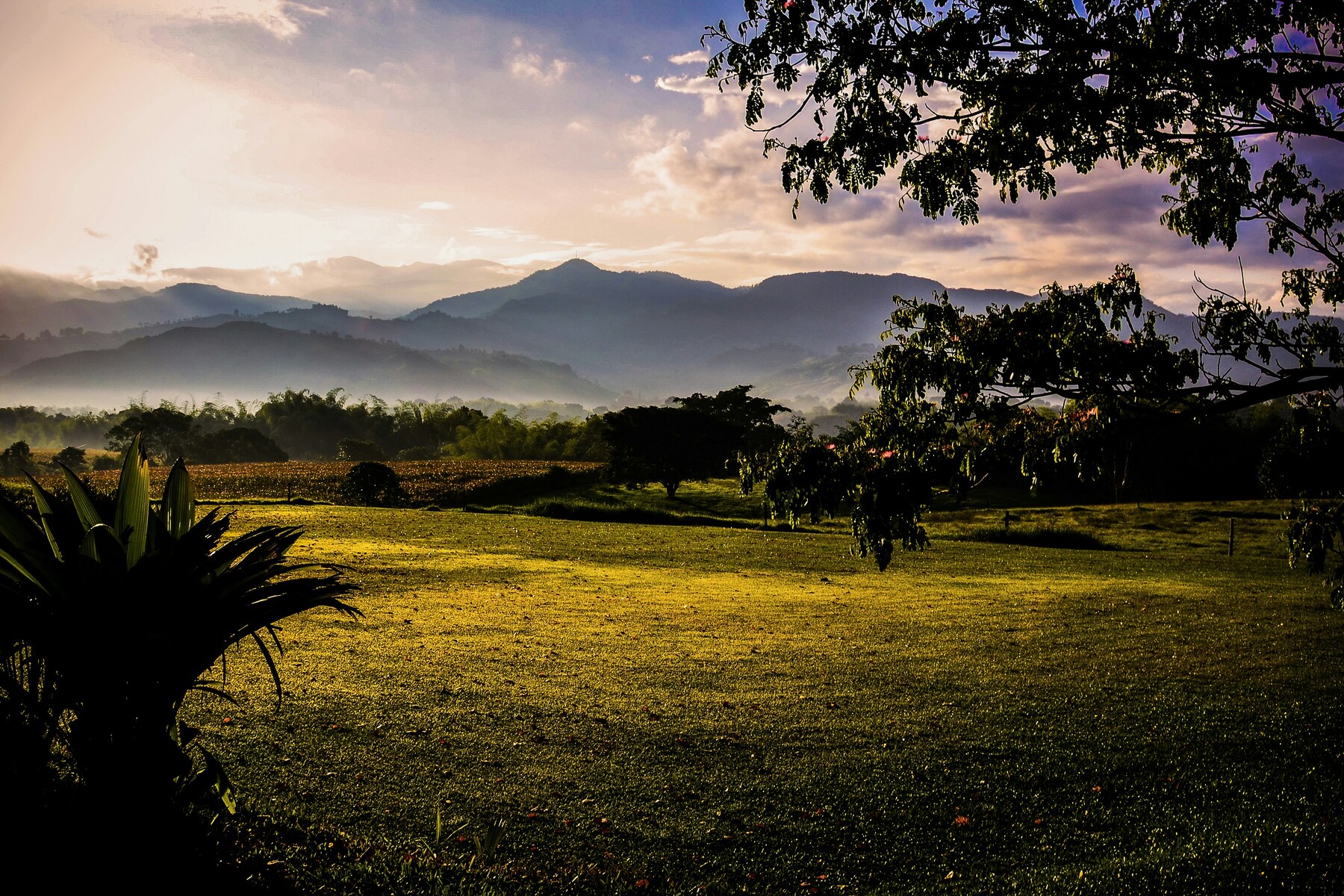
What to order: While the food is spectacular, their coffee program is top-tier. Order a Chemex prepared with single-origin beans from nearby micro-lots. The slow extraction highlights the floral and citrus acidity that high-altitude Colombian beans are prized for. It is the perfect spot to sit on the terrace and watch the sunset over the Cauca Valley.
-
The Specialized Workshop: Catación Pública (Armenia)
In the city of Armenia, the energy shifts from the farm to the laboratory. Catación Pública is not just a café; it is an educational center dedicated to the science of the bean.
What to do: This is the place for the “Coffee Nerd.” They offer workshops on green coffee roasting and professional cupping. Try their Génova – Corredores Florales variety, known for its distinct almond notes and creamy body. It’s a highly technical experience that strips away the romance to focus on the pure, unadulterated quality of the fruit.
The Laws of the Colombian Cup
- The “Washed” Standard: Unlike the “Natural” process often found in Brazil or Ethiopia, Colombian coffee is traditionally “washed.” This removes the fruit before drying, resulting in a much brighter, more acidic, and “cleaner” taste.
- Respect the Tinto: While you’re here for specialty coffee, don’t snub the tinto. This small, black, sweetened coffee served on street corners is the social fuel of Colombia. It’s the “people’s coffee,” and drinking one is a rite of passage.
- Altitude is Everything: The best beans in the Eje Cafetero are grown between 1,200 and 2,000 meters. The thin air and volcanic soil stress the plants just enough to produce the complex sugars that make the coffee world-famous.