

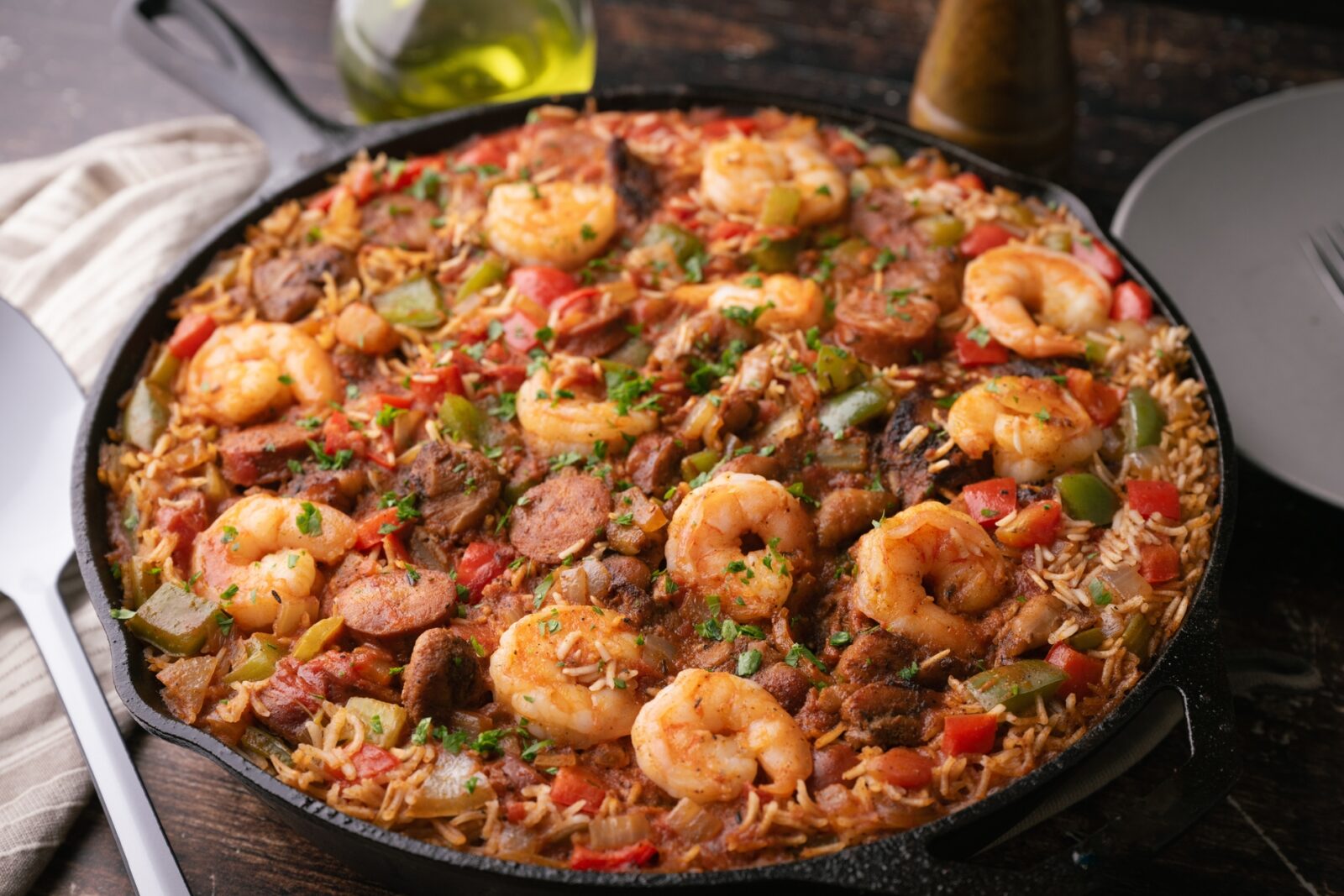
The first crack of the crust is always the giveaway. You press your spoon into a bowl of shrimp and grits, and the top layer—golden, buttery, just shy of crisp—gives way to a creamy center that smells of sweet corn and the sea. Outside, Charleston’s humidity hangs like a soft curtain, but inside a Lowcountry kitchen, the air is warm with butter, smoke, and the quiet confidence of a cuisine that has never needed to shout to be heard.
A Cuisine Built on Tide and Time
Lowcountry cooking is inseparable from the landscape that shaped it. The marshes, the tidal creeks, the brackish inlets—they all leave their fingerprints on the plate. Shrimp tastes different here, sweeter and more delicate, as if the tide itself seasons the meat. Rice carries a whisper of earth and salt. Even the vegetables—okra, collards, field peas—seem to hold the memory of long summers and slow-growing heat.
Charleston kitchens treat these ingredients with a kind of reverence. Nothing is rushed. A pot of she-crab soup simmers until the flavors settle into one another, rich and velvety, with a brightness from sherry that lifts the sweetness of the crab. Hoppin’ John arrives with a depth that comes only from patience—peas cooked until tender, rice steamed just right, the whole dish carrying the warmth of smoked pork.
The Art of the Crust
If there’s a signature texture in Lowcountry cooking, it’s the crust. Not the crispness of fried chicken—though Charleston does that beautifully—but the subtle, golden layer that forms on dishes cooked low and slow. It’s the crust on cornbread baked in cast iron, the caramelized edge of a crab cake, the browned top of a casserole that crackles when you break into it.
This crust isn’t just technique; it’s memory. It tastes like Sunday suppers, like recipes passed down without measurements, like kitchens where cast-iron skillets outlast generations. When you eat it, you feel the weight of tradition in the most comforting way.
Hospitality Served Warm
Charleston’s food tastes the way the city feels—welcoming, unhurried, quietly generous. In a small dining room off King Street, a server might call you “darlin’” without a hint of affectation. A chef might step out from the kitchen to ask how you liked the crab stew. The hospitality isn’t performative; it’s woven into the rhythm of the meal.
The atmosphere shapes the flavors. Candlelight softens the edges of a dining room, making the amber color of a bourbon glaze glow. A porch table catches the evening breeze, carrying the scent of pluff mud and magnolia. Even the clatter of oyster shells hitting a metal bucket feels like part of the soundtrack.
When Charleston Tastes Its Best
Lowcountry food shines year-round, but there’s something special about the shoulder seasons. Spring brings soft-shell crabs, their shells so delicate they practically melt under a fork. Autumn offers cooler evenings perfect for oyster roasts—fires crackling, shells popping, the brine of the ocean steaming into the night air.
Charleston rewards those who let the meal unfold slowly. Arrive early enough to watch the light shift across the marsh. Order the dishes that speak to the tide. And leave room for dessert—banana pudding layered with vanilla wafers that have softened just enough, or a slice of pecan pie that tastes like caramel and toasted nuts.
What You Carry Home
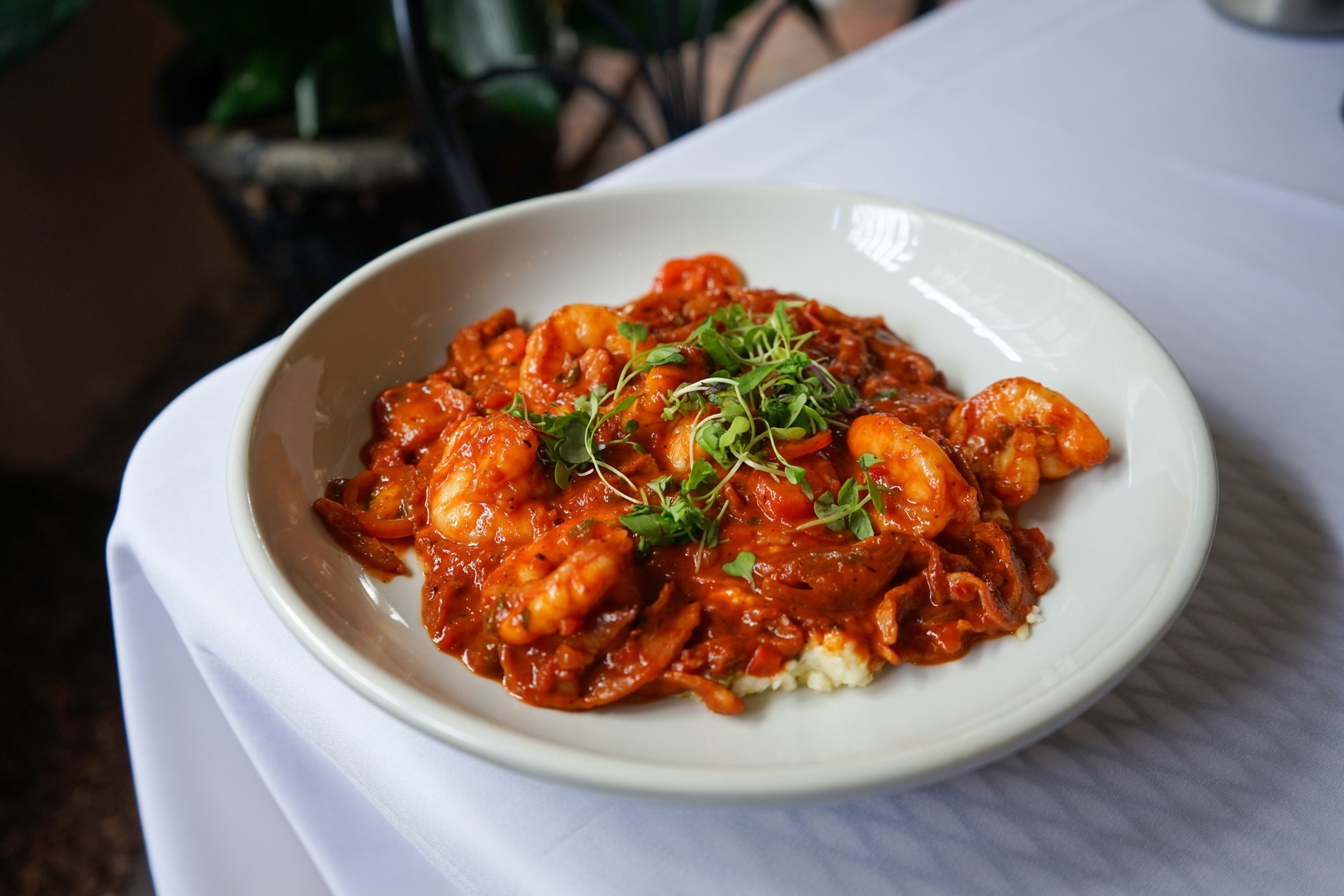
Long after you’ve left Charleston, the flavors linger. The sweetness of the shrimp, the warmth of the grits, the quiet luxury of a perfectly browned crust—they become memories of a place where food is both comfort and heritage. Lowcountry cooking doesn’t try to impress you. It simply invites you in, feeds you well, and sends you home with the kind of satisfaction that settles deep and stays awhile.