

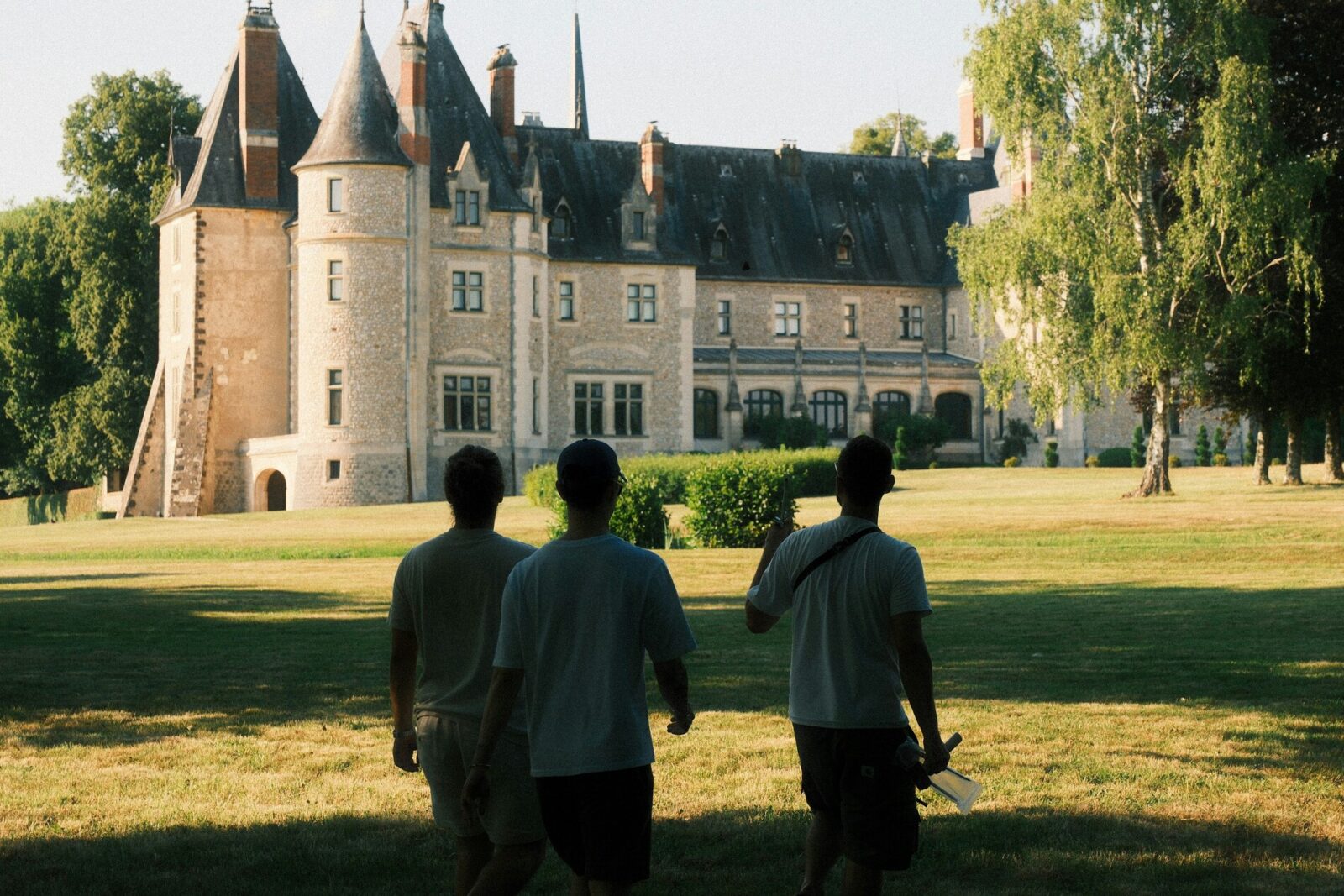
The gravel crunches softly beneath the tires as your car winds through an avenue of ancient lime trees. Morning light filters through the canopy in pale ribbons, illuminating the façade of the château ahead—stone warmed by centuries, shutters painted a dignified shade of blue‑grey, ivy climbing in deliberate, elegant strokes. A steward opens the door before you’ve fully stepped out, offering a quiet bonjour and a silver tray with a chilled glass of Sancerre. The air smells faintly of lavender and old books. In this moment—still, poised, impossibly cinematic—you understand that staying in a privately owned French château isn’t about extravagance. It’s about inhabiting a world where time slows, rituals matter, and luxury is expressed through grace rather than grandeur.
A Living Tapestry of History
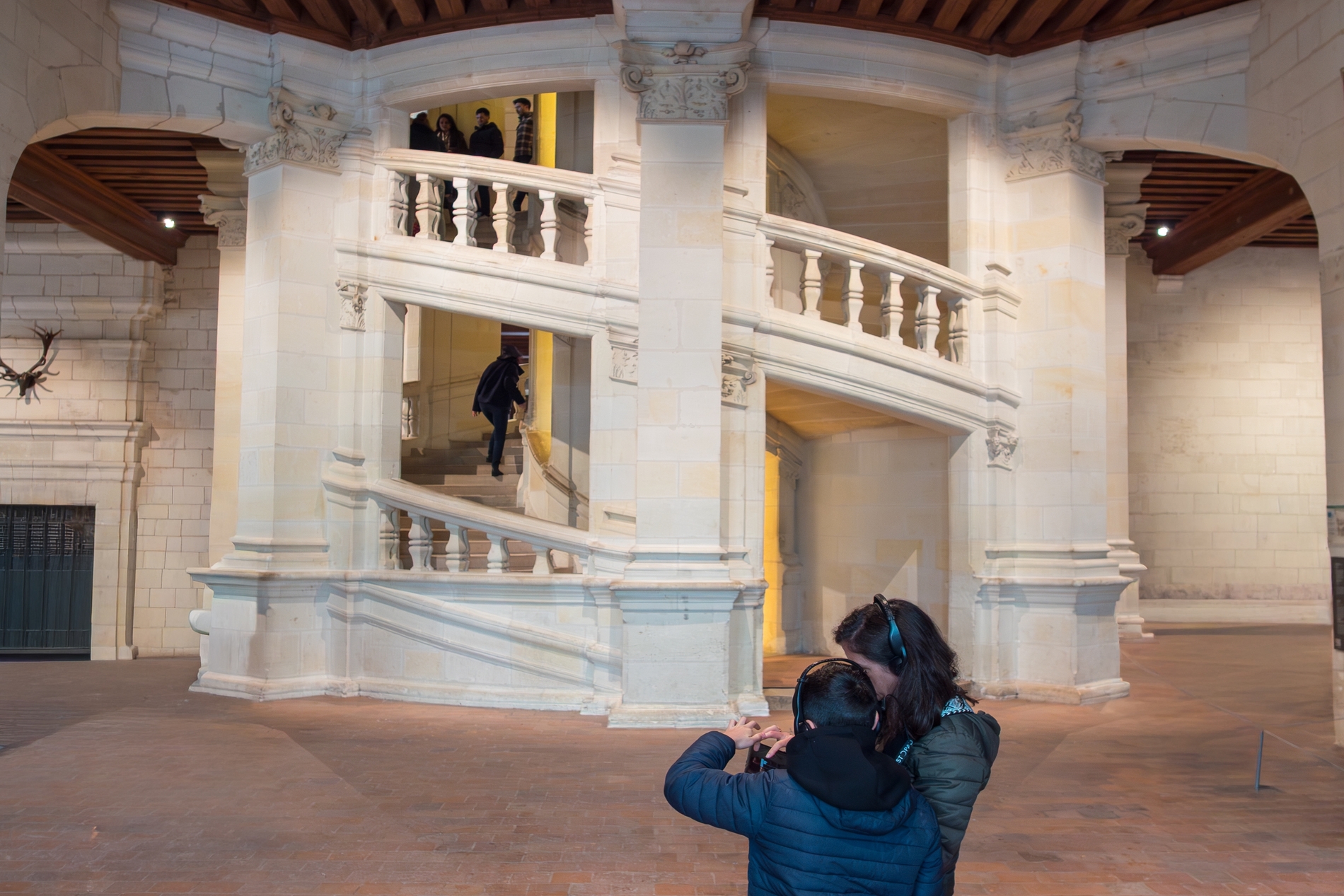
Privately owned châteaux carry a different kind of energy than their hotel counterparts. They feel lived‑in, storied, shaped by generations who understood the art of hosting long before hospitality became an industry. Stone staircases curve with the softness of age. Portraits watch from gilded frames. The library smells of leather and dust, its shelves lined with volumes that have survived revolutions, restorations, and the quiet passing of centuries.
Yet nothing feels museum‑like. The spaces are warm, intimate, and deeply personal. A vase of fresh peonies on a writing desk. A decanter of cognac waiting by the fireplace. Windows that open onto gardens designed in the 18th century, where gravel paths lead to fountains whispering beneath sculpted hedges.
Suites That Honor Craft and Comfort
Your room is less a suite and more a private world. High ceilings adorned with hand‑painted beams. Linen drapes that move with the slightest breeze. A bed dressed in crisp cotton and embroidered monograms. The bathroom is a study in quiet indulgence—clawfoot tub, marble counters, soaps scented with verbena.
Every detail feels intentional. A basket of market‑fresh fruit. A handwritten note from the owner. A curated selection of wines from the château’s own cellar. Luxury here is tactile, sensory, and grounded in craftsmanship.
Days That Unfold With Ease
A week in a château follows a rhythm that feels both effortless and deeply restorative. Mornings begin with breakfast served in the orangery—fresh pastries, local honey, berries still warm from the sun. The rest of the day stretches before you like a blank page.
You might wander the grounds, discovering hidden follies and quiet ponds. Or join the estate chef in the kitchen garden, selecting herbs for lunch. Some afternoons call for a horseback ride through the surrounding countryside, hooves echoing against old stone walls. Others invite stillness: reading beneath a chestnut tree, sketching the façade, or simply watching the light shift across the vineyards.
Evenings are their own ritual. Aperitifs in the salon. Dinner served in a candlelit dining room where silverware gleams and conversation flows easily. Courses arrive with a sense of ceremony—velvety soups, delicate fish, slow‑braised meats, cheeses that taste of the region’s terroir. The wine pairings are impeccable, often drawn from bottles rarely seen outside the estate.
A Season for Every Mood
The château changes with the calendar. Spring brings wisteria cascading over stone arches. Summer fills the gardens with roses and long, golden evenings. Autumn wraps the vineyards in amber and rust, the air carrying the scent of woodsmoke. Winter is quiet, contemplative—fires crackling in every room, the landscape softened by frost.
There’s no wrong moment to arrive. Each season reveals a different facet of the estate’s character.
What the Château Leaves Behind
A week in a privately owned French château lingers long after you’ve left. It’s the memory of sunlight on old stone, the hush of a library at dusk, the taste of a wine poured by someone who knows its lineage by heart. It’s the feeling of being welcomed not as a guest, but as a temporary custodian of a place shaped by centuries of care.
Luxury here isn’t loud. It’s lived—quietly, elegantly, and with a sense of belonging that’s rare in the modern world.